ConstructionLaw
The mediation framework for disputes arising from construction agreements in exchange for land share, contracts for work and subcontracting agreements, and condominium relationships.
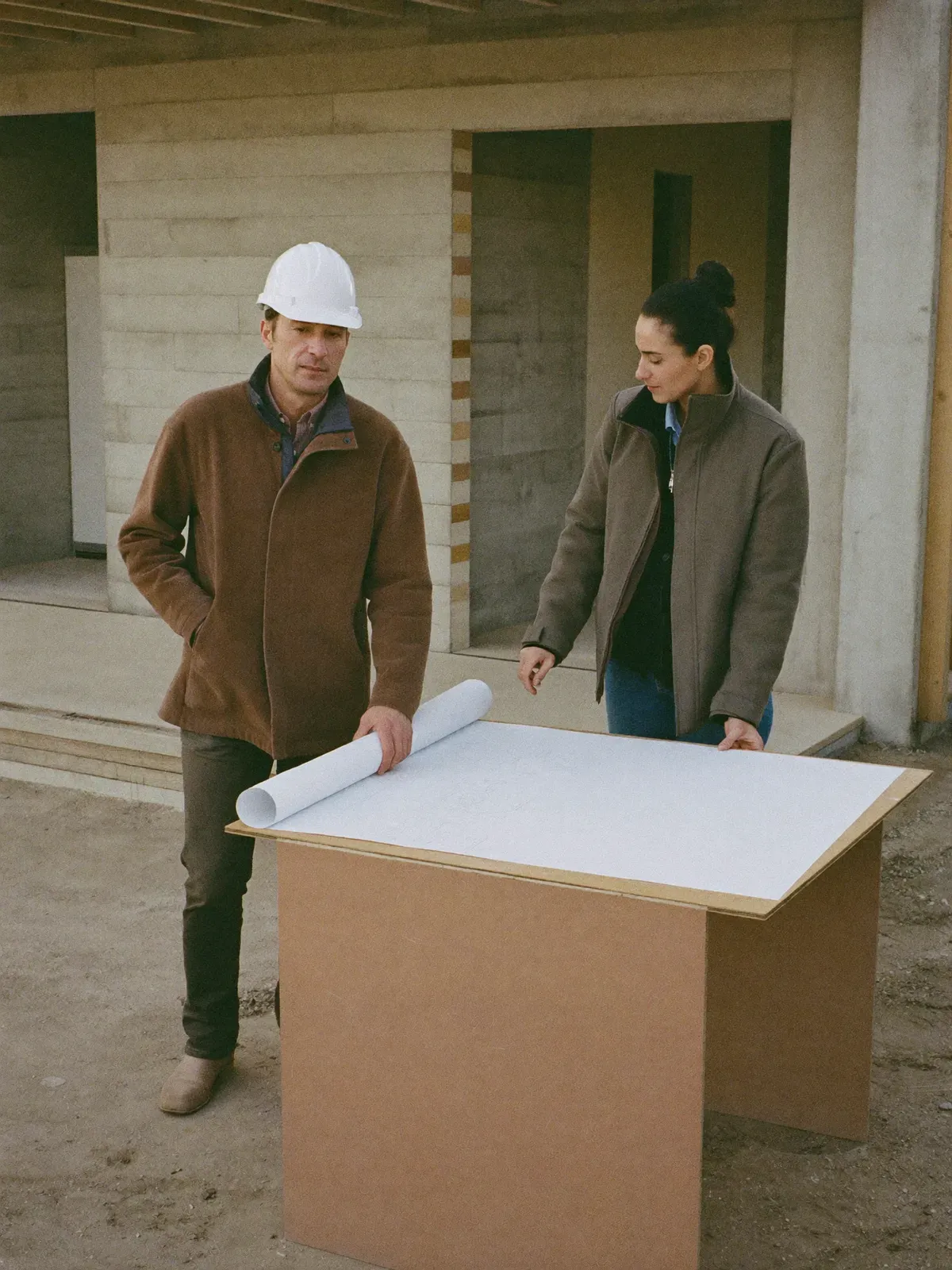
Construction disputes arise from construction agreements in exchange for land share, contracts for work and subcontracting agreements, and condominium relationships. Depending on the nature of the dispute, mandatory pre-litigation mediation or voluntary mediation applies.
Scope
This area covers private law disputes arising from construction and building relationships between landowners, contractors, subcontractors, condominium owners and building managers. Construction agreements in exchange for land share (flat-for-land agreements), contracts for work, subcontracting relationships and condominium disputes are the principal subjects. In construction disputes, a single payment item is often bound up with the delivery date, incomplete work and differing interpretations of the contract.
Common issues
- Delay in delivery and the allocation of independent units under a construction agreement in exchange for land share
- Defects in the building, incomplete work and repair claims
- Disputes over progress payments, the contract price and the price of additional work
- Receivable relationships between subcontractors and main contractors
- Disputes between condominium owners over common expenses and management
- Liability claims relating to building inspection and permits
- Disagreements between owners and the contractor in the process of transforming buildings at risk
How does mediation work in this type of dispute?
Construction disputes are of a “mixed” type; depending on the nature of the dispute, mediation may be either a precondition for bringing an action or voluntary.
- Disputes arising from condominium ownership are subject to mandatory pre-litigation mediation under Art. 18/B of Law No. 6325 on Mediation in Civil Disputes.
- Where claims between parties having merchant status, arising from a contract for work, a subcontracting relationship or a construction agreement in exchange for land share and concerning the payment of a sum of money, qualify as a commercial case, mandatory pre-litigation mediation applies under Art. 5/A of the Turkish Commercial Code No. 6102.
- Where the construction agreement is based on a consumer relationship, the rules of Art. 73/A of Law No. 6502 come into play. In construction agreements in exchange for land share, the capacity of the parties and the nature of the claim (a monetary receivable or another claim) are decisive; this classification is made in the specific case.
- In cases that do not fall within the scope of mandatory pre-litigation mediation, the parties may nevertheless apply to a mediator; in that case, mediation is voluntary.
The mediator is an independent and impartial third party; the mediator does not take technical measurements to decide who is at fault, does not take delivery of the construction on behalf of the parties and does not give technical assurances. The sessions are confidential and the process rests on the will of the parties. If an agreement concerning the transfer of immovable property or rights in rem is contemplated, the specific rules on procedure, registration and enforceability applicable to such agreements are also taken into account.
Matters that may be discussed in the sessions
- Incomplete and defective work: what was undertaken in the contract and which works were actually carried out
- Delivery and remedy timetable: by whom and by what date the incomplete work will be completed
- Progress payments and the price of additional work
- Payment terms
One party may state that it has completed the work, while the other may state that certain deficiencies must be remedied before delivery. In that case, rather than discussing the entire work under a single heading, separating the works agreed upon from the disputed items gives concrete shape to the subject of the sessions.
Process and points to note
The contract, its annexes and specifications, the work schedule, progress payment documents, handover reports, the building permit, occupancy permit and title deed records, expert or technical inspection reports and correspondence are the principal documents to be reviewed. It is important that defects in the building are notified and established in due time. The parties may evaluate in the sessions any technical reports they consider necessary.
In mandatory pre-litigation mediation, the application is made to the mediation office at the place where the competent court is located. The process is concluded within three weeks of the mediator’s appointment; in compelling circumstances, this period may be extended by a maximum of one week (Art. 18/A of Law No. 6325). If no agreement is reached, the final minutes are attached to the statement of claim.
The settlement text clearly states the work item, the person responsible, the date and the payment; if there is a partial agreement, the remaining dispute is also specified.
Our office’s approach
The office reviews construction agreements and project documents and determines the legal nature of the dispute and the route of application. Drafting and reviewing contracts, preparing for the mediation process and, where necessary, representation at the litigation and enforcement stages form part of this work. Where the role of mediator has been assumed in a dispute, the office does not act as counsel for any of the parties to that dispute.
Scope
Legislation
Application
Depending on the nature of the dispute, mediation may be mandatory or voluntary; the route of application is determined by the type of dispute.